

Our Philosophy to Building Sustainable Homeownership
Transformative Community Development
We develop high-quality, mixed-income communities that are economically vibrant and socially inclusive. Our homes are indistinguishable from market-rate units and designed to foster pride of ownership, stability, and long-term equity. Beyond construction, we address Charlotte’s housing shortfall and mobility challenges through a holistic, market-based approach that strengthens neighborhoods and expands access to opportunity.
Readiness, Access & Economic Mobility
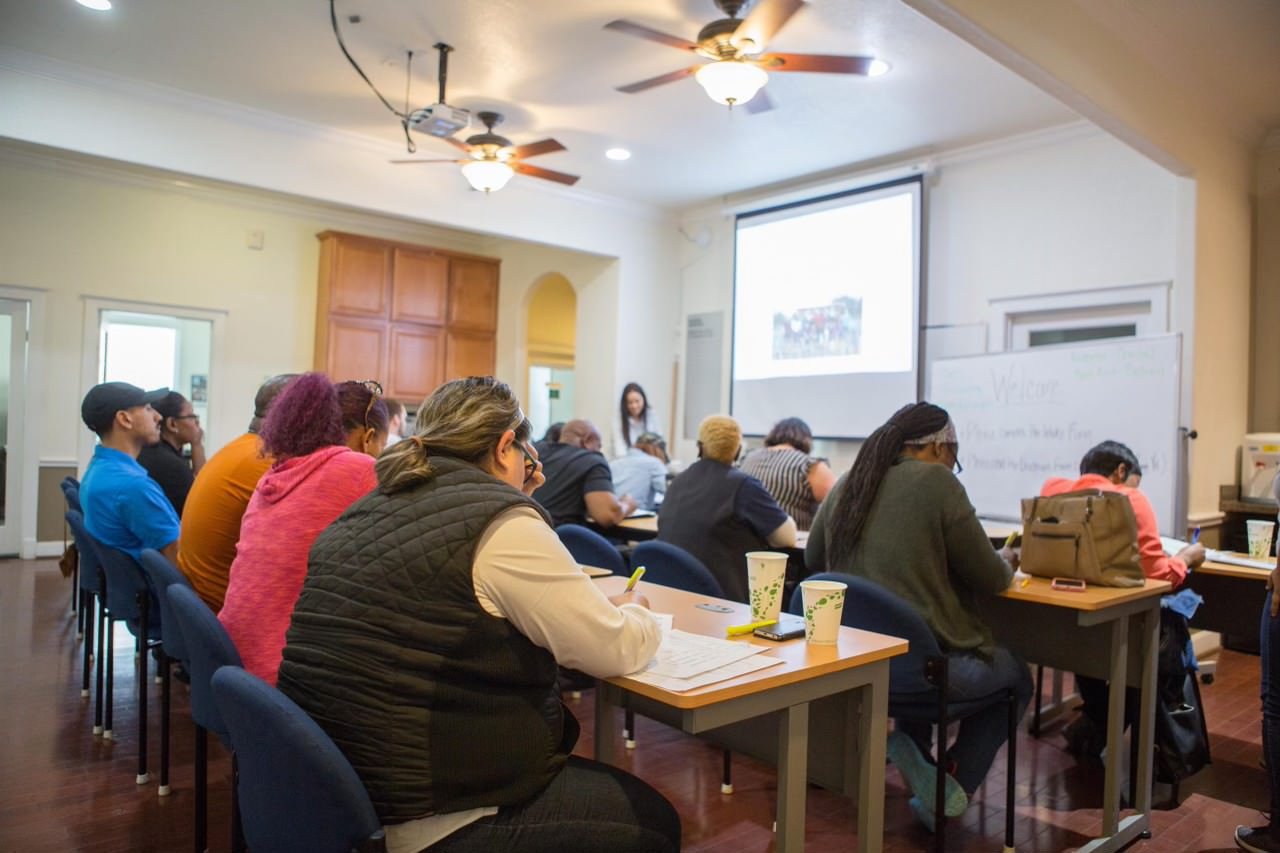
Charlotte’s housing challenge is not only about supply—it is about readiness and access. We pair attainable homeownership with structured financial education, credit counseling, and sustained coaching to help working families become mortgage-ready and bankable. By reducing household cost burdens and expanding financial capability, we move families from renting to owning and from stagnation to upward mobility.
Capital Alignment & Scalable Impact
Lasting change requires aligned capital and collective leadership. Ascension fuels its mission through a diversified blend of public funding, financial institutions, philanthropic partners, impact investors, and mission-aligned capital. By integrating disciplined development with strategic partnerships, we create scalable solutions that expand attainable housing while driving measurable social and economic impact across Charlotte.

The Path to Ownership: Why Owning Beats Renting
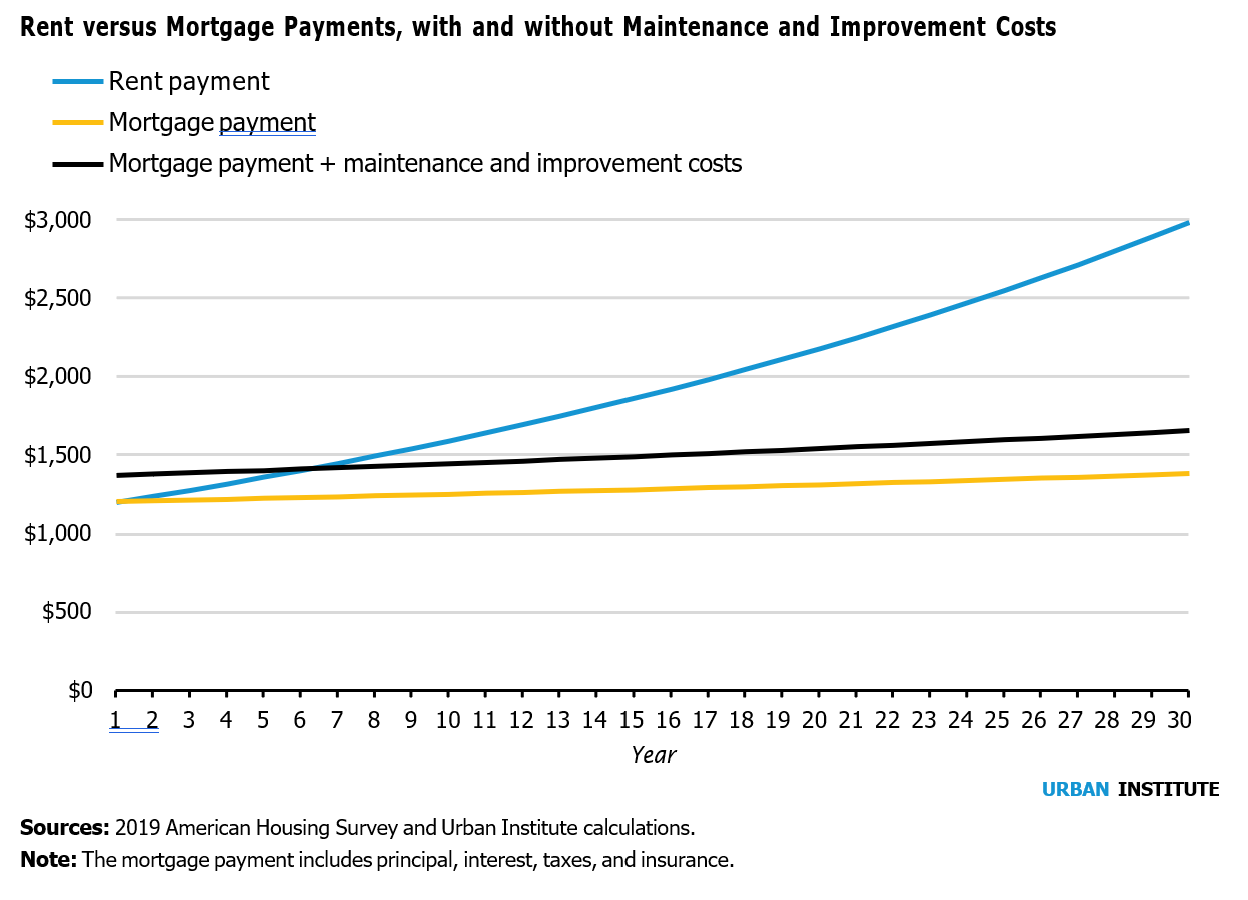
At Ascension, we believe sustainable homeownership is one of the most powerful forms of affordable housing. While rental housing plays an important role, ownership creates stability, predictability, and long-term wealth. Fixed-rate mortgages often provide more stable monthly payments than rising rents, and homeowners build equity with each payment.
By prioritizing attainable, for-sale homes, we move beyond short-term housing solutions and create pathways to lasting financial security—helping working families build generational wealth and invest in their communities.
“In general, more affordable housing [rent] correlates with lower income inequality…Faster-growing metro areas tend to see more inequality too…”
— Ann Lowrey, “Where to Find the Most Inequality”